Mitsubishi Electric Iconics Digital Solutions Inc

Company Blog

Get the latest insights, updates, and event coverage from Mitsubishi Electric Iconics Digital Solutions.

Retrofitting Existing Buildings with Smart Technology: Unlocking Greater Value from Existing Real Estate Assets

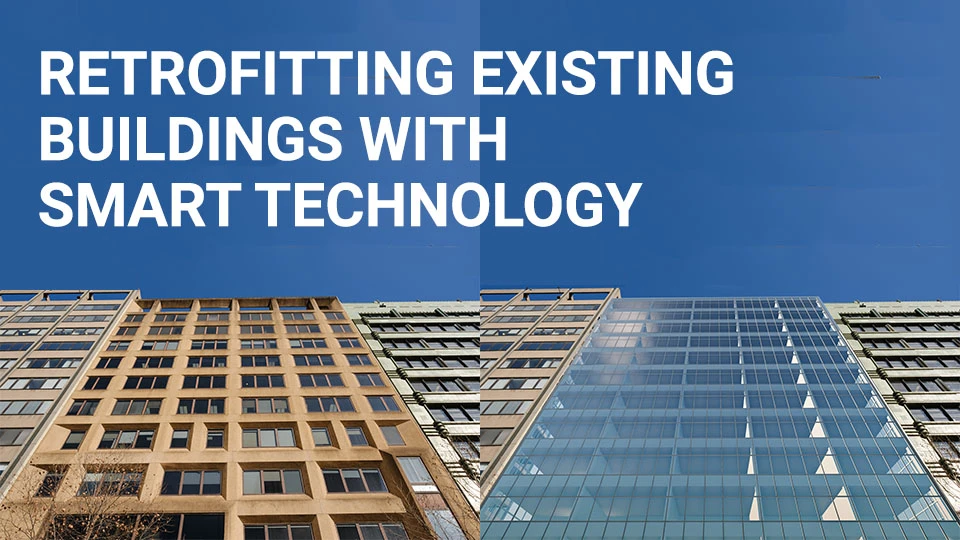
Retrofitting Existing Buildings with Smart Technology blog image of the facade of a tall office building from a "before and after" perspective from street-level view looking up

Around 80% of the buildings expected to be in use by 2050 already exist, making retrofit a strategic opportunity to improve performance, sustainability, and asset value. Discover how smart technology, a connected building data layer, GENESIS, and IBSS support intelligent building modernization.

Why the Building You Commissioned Isn't the Building You're Running

Static building operations waste energy, reduce efficiency, and hide costly faults. Discover how unified building platforms, Fault Detection and Diagnostics (FDD), and integrated IT, OT, and IoT data enable intelligent building operations that optimize performance, improve occupant comfort, and simplify portfolio management.

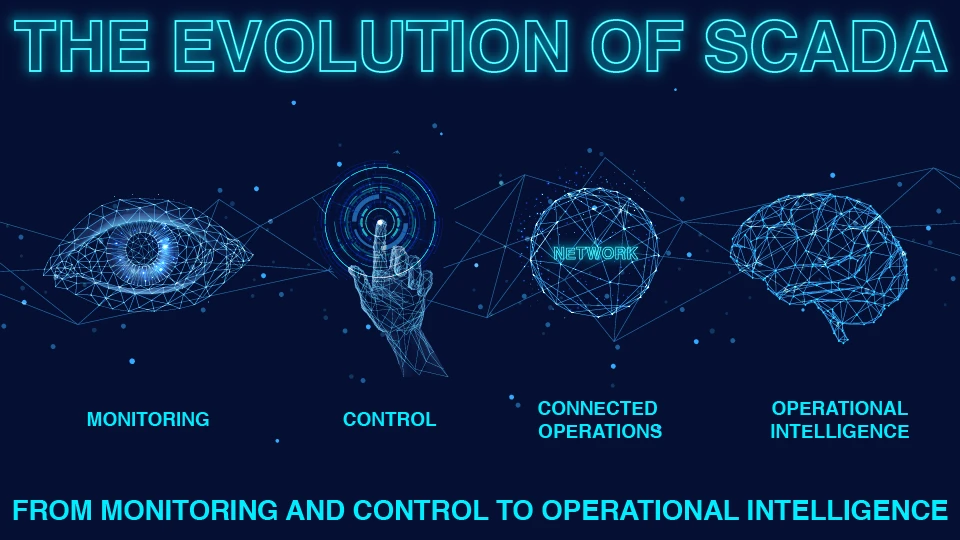
The Evolution of SCADA: From Monitoring Systems to Operational Intelligence

The Evolution of SCADA blog image of an eye for monitoring, a hand depicting control, a sphere depicting connected operations, and a wireframe of the human brain depicting operational intelligence

SCADA is evolving from traditional monitoring and control into a platform for connected operations and operational intelligence. Learn how modern organizations are using intelligent SCADA to connect OT, IT, and IIoT data, improve visibility, support analytics, and transform operational information into actionable operational and business insight.

Why Water and Wastewater Utilities Still Struggle with Data Visibility

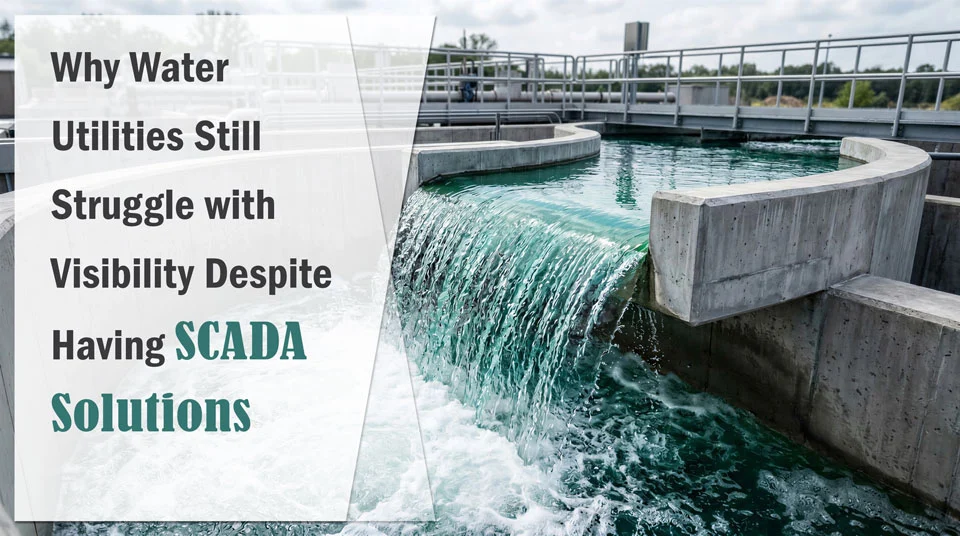
Why Water and Wastewater Utilities Still Struggle with Data Visibility blog image of light blue water cascading down through a cement channel in a water treatment facility

Most water and wastewater utilities already operate SCADA systems, yet fragmented data, alarm overload, and disconnected operational tools continue to limit visibility and decision-making. Learn how unified SCADA platforms help utilities connect operational data, improve situational awareness, reduce risk, and support digital transformation initiatives.

HMI vs. SCADA: Understanding Functions, Features, and Use Cases

Understanding the differences between HMI and SCADA is essential for designing scalable industrial systems. This blog explains the role of each technology, how HMI and SCADA work together, and how modern platforms such as GENESIS unify visualization, supervisory control, alarming, historian functionality, reporting, analytics, and connectivity.

GENESIS Version 11 Licensing: Easier Deployment, Better Reliability, and Greater Flexibility

GENESIS Version 11 Licensing Simplified blog image

Learn how GENESIS version 11 SCADA software simplifies industrial software licensing through a more reliable, flexible, and resilient licensing architecture. Discover how the redesigned licensing model reduces operational friction, improves scalability, minimizes support disruptions, and supports easier deployment and long-term maintainability.

The Story Behind the Learning Hub at Mitsubishi Electric Iconics Digital Solution

Mitsubishi Electric Iconics Digital Solutions shares the story behind its Learning Hub, a scalable digital-first training platform built from years of learner feedback. Discover how self-paced learning, interactive modules, AI-assisted development, and global accessibility are transforming technical enablement.

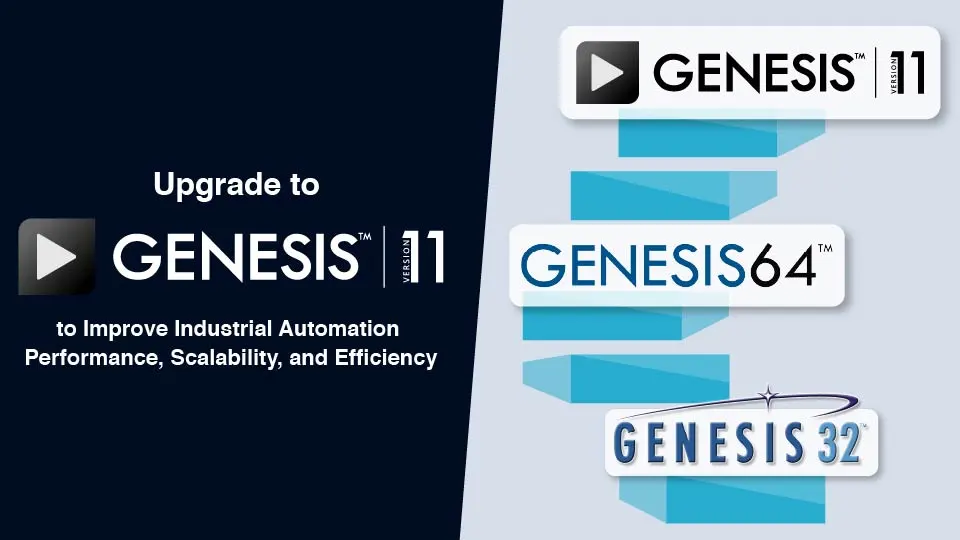
Upgrade to GENESIS version 11 to Improve Industrial Automation Performance, Scalability, and Efficiency

Upgrade to GENESIS version 11 blog image featuring the evolution of the GENESIS logo starting with GENESIS 32 up to GENESIS version 11

Learn how upgrading to GENESIS version 11 helps organizations improve industrial automation performance, scalability, visibility, and operational efficiency without disrupting existing systems. Explore how integrated analytics, workflows, historian capabilities, and unified architecture support continuous operational improvement.