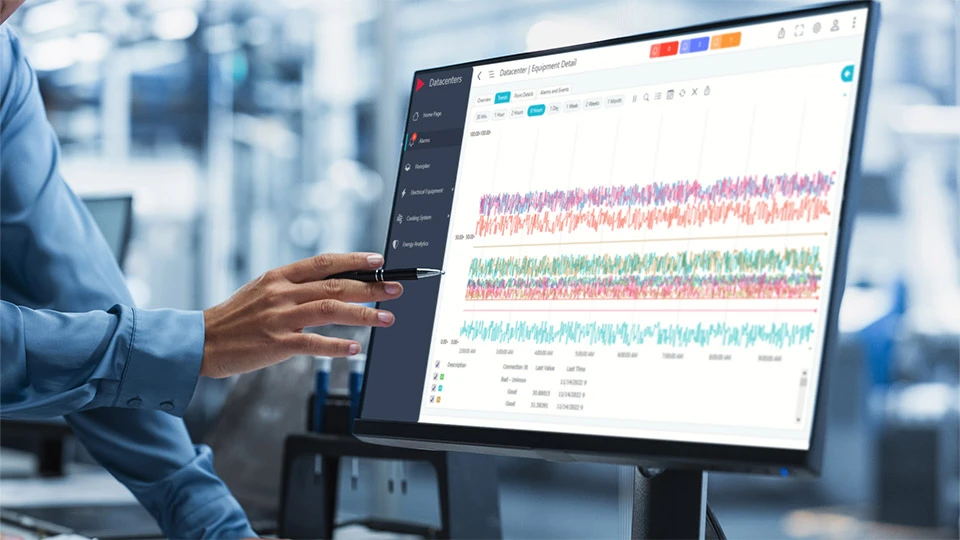
This practical guide explains how to properly size and scale GENESIS version 11 for your SCADA and digitalization projects. Learn what a node is, when to move from a single-tier to a multi-node or multi-tier architecture, and how factors like tag count, scan rate, and system load affect performance. Whether you’re building a small system or scaling enterprise-wide, this guide helps you align your architecture, licensing, and goals for long-term success.
How to Size & Scale GENESIS Version 11: A Practical Guide for SCADA & Digital Projects Using the Platform
Why Industrial Data Needs the Right Storage Strategy—and How GENESIS SCADA Software Delivers
Choosing the right data storage in industrial automation impacts performance and uptime. This blog compares process historians, time-series databases, and relational databases—highlighting reliability, performance, and data lifecycle differences. Learn why GENESIS includes an integrated process historian for confident scaling and streamlined operations.
From ICONICS to Mitsubishi Electric Iconics Digital Solutions: The Story Behind Our Name Change
ICONICS is now Mitsubishi Electric Iconics Digital Solutions (MEIDS). This name change marks the next chapter in our evolution—uniting our legacy of innovation with Mitsubishi Electric’s global strength to deliver smarter, more connected automation, digitalization, and sustainable building solutions for the future.
Beyond the Pilot: Scaling Fault Detection & Diagnostics (FDD) Across Your Entire Portfolio
Scaling FDD across a portfolio takes more than just software—it requires a partner who understands real buildings and facility teams. This blog explores the challenges of multi-site FDD deployment and how Mitsubishi Electric Iconics Digital Solutions, together with our FDD software, GENESIS, and our SI Partner Community, combines smart tools with deep expertise to make large-scale implementation achievable.
Making the Business Case for Fault Detection & Diagnostics (FDD): Why It’s Essential for Modern Building Management
Fault Detection & Diagnostics (FDD) goes beyond analytics—it’s a powerful tool for optimizing energy efficiency, reducing maintenance costs, and improving building performance. This blog explores the business case for FDD, highlighting its impact on operational efficiency, sustainability, and preventative maintenance. Discover how FDD transforms building management and why it’s an essential investment.
Obesity & Optimization: The Uncut Story of How Data Transformed My Health and Inspired GENESIS Version 11's Unlimited Historian
Kyle transformed from obese to fit by tracking his health metrics, proving that measurement drives improvement. Understanding the critical role of data, Mitsubishi Electric Iconics Digital Solutions (MEIDS) made a bold move to embed an unlimited process historian into GENESIS version 11. Now our customers can deploy more intelligent data-centric solutions with the full unlimited power of an industrial grade historian, driving operational optimization through true data-driven decision-making.
Enabling Your Company’s Industrial Transformation (IX)
Organizations can ensure a successful industrial transformation by approaching the process with a narrow focus and limited scope through several basic steps: Use the SMKL Method to assess your digitalization needs; define your value levers; and build a partner ecosystem that understands what your success looks like.
How Fault Detection & Diagnostics (FDD) Software Continues to Solve Building Management Challenges
Fault detection and diagnostics software is not just a technological upgrade—it’s a proven necessity for modern building management. Through automated, simplified management, FDD empowers facility managers and operators to take control of their buildings in ways never before possible allowing them to streamline operations, reduce costs, and address challenges head-on.
English
Czech
German
French
Italian
Japanese
Polish
Spanish