English
 Czech
 German
 French
 Italian
 Japanese
 Polish
 Spanish
 8 min read
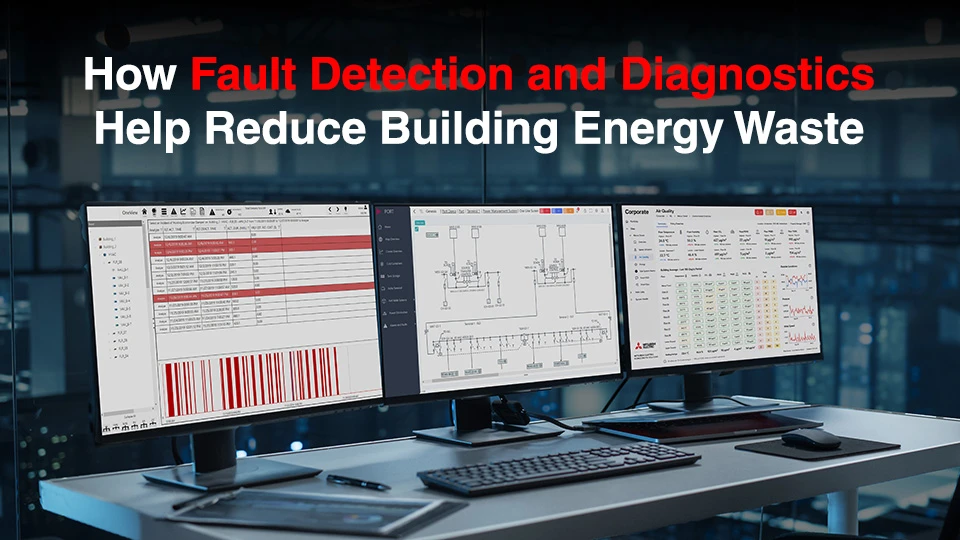
What You'll Learn in This Blog
Discover how fault detection and diagnostics (FDD) helps facilities teams identify hidden inefficiencies, reduce energy waste, and improve building performance.
Key takeaways include:
- Why common HVAC faults can increase energy consumption without triggering conventional building alarms.
- How FDD software uses continuous monitoring and automated diagnostics to identify abnormal operating conditions and their likely causes.
- How prioritizing and correcting faults supports HVAC energy optimization and more efficient maintenance.
- How FDD helps facilities teams improve equipment reliability, maintain occupant comfort, and manage building performance proactively.
- How GENESIS FDD capabilities provide actionable diagnostic insights across building systems and facilities.
The Hidden Energy Waste in Commercial Buildings
A commercial building can waste significant amounts of energy without any obvious signs of equipment malfunction or failure. HVAC systems may continue running after occupants have left; heating and cooling equipment may operate simultaneously, or faulty sensors may trigger unnecessary heating or cooling. Although these problems may not cause immediate disruptions or discomfort, these problems can increase energy consumption and operating costs over time.
For facility managers, identifying these inefficiencies can be difficult. Building management systems (BMS) provide operational data and alarms, but many performance problems develop gradually or involve interactions between multiple pieces of equipment. Without continuous analysis of these conditions, energy waste can persist unnoticed for weeks or months.
Fault detection and diagnostics (FDD) software helps uncover these hidden problems by monitoring building systems, identifying abnormal operating conditions, and providing insights into their likely causes. By enabling facilities teams to investigate and correct inefficiencies earlier, FDD supports improved building energy efficiency, lower operating costs, and more reliable equipment performance.
What Is Fault Detection and Diagnostics?
Fault detection and diagnostics is a software-based approach to identifying and analyzing abnormal behavior in building equipment and systems.
Traditional building alarms typically notify operators when a monitored value exceeds a predefined threshold. FDD goes further by evaluating multiple operating parameters against defined rules to identify conditions that may indicate inefficiency, equipment degradation, or developing faults.
For example, an air-handling unit may maintain the required supply air temperature while consuming more energy than necessary. A conventional alarm might not indicate a problem because the temperature remains within its acceptable range. FDD can evaluate related operating conditions to identify potential inefficiencies that would otherwise go unnoticed.
The distinction between detection and diagnostics is important. Fault detection identifies an abnormal condition, while diagnostics help determine its likely cause. Collectively, these capabilities give facilities teams more useful information for investigating problems and deciding what corrective action to take.
Common HVAC Faults That Cause Building Energy Waste
HVAC systems are among the most important areas to examine when improving building energy efficiency. Even relatively small operational problems can result in unnecessary energy consumption when equipment operates for extended periods.
Several common faults illustrate how energy waste can develop without an obvious equipment failure.
- Simultaneous heating and cooling: Heating and cooling systems may operate at the same time because of conflicting control sequences, incorrect setpoints, or equipment faults. The systems consume additional energy while working against each other to maintain the desired indoor conditions.
- Incorrect operating schedules: HVAC equipment may continue running during evenings, weekends, or other unoccupied periods because schedules haven't been updated to reflect actual building use. Unnecessary runtime increases energy consumption and equipment wear.
- Leaking or malfunctioning valves: A heating or cooling valve that fails to close properly can allow unwanted heating or cooling even when the system isn't calling for it. The resulting inefficiency may persist without triggering a conventional alarm.
- Faulty or miscalibrated sensors: Temperature, pressure, and other sensors provide information used to control building systems. When readings are inaccurate, equipment may operate unnecessarily or fail to respond appropriately to actual conditions.
These faults don't always cause immediate discomfort or equipment shutdowns. As a result, they can remain undetected while gradually increasing energy costs.
How FDD Software Improves Building Energy Efficiency
Identifying hidden inefficiencies requires more than collecting building data. Facilities teams need the ability to evaluate system behavior, recognize abnormal conditions, and determine which problems deserve attention.
FDD software supports this process through continuous monitoring and automated diagnostics
Detect Abnormal Operating Conditions
FDD evaluates real-time and historical equipment data against rules that describe expected system behavior. By analyzing multiple parameters together, the software can identify operating conditions that suggest an underlying fault.
For example, a cooling valve may remain open when cooling isn't required. Comparing valve position, temperature readings, and operating conditions can help identify the abnormal behavior even when individual measurements remain within acceptable limits.
Continuous evaluation also helps facilities teams recognize developing issues before they lead to more serious performance problems.
Identify Likely Causes of Energy Waste
Knowing that equipment is operating inefficiently is only the first step. Facilities teams also need to understand why the problem is occurring. Automated diagnostics provides additional context by examining relationships between operating parameters and identifying likely causes of abnormal behavior.
Consider an air-handling unit that consistently uses more energy than expected. Diagnostic analysis may indicate a control issue, an incorrect operating schedule, or a malfunctioning component. These insights help maintenance personnel focus their investigations instead of relying entirely on manual troubleshooting.
Prioritize Faults Based on Operational Impact
Not every fault requires the same level of attention. A minor temperature deviation may have little immediate effect, while a persistent control problem affecting several HVAC units could result in substantial energy waste. FDD software can help teams prioritize issues according to factors such as severity, duration, and operational impact. Some systems also provide estimates of the financial consequences associated with identified faults.
By focusing on high-impact problems first, facilities teams can direct limited maintenance resources toward the interventions most likely to improve building performance.
Turn Fault Detection into HVAC Energy Optimization
Detecting an inefficient operating condition doesn't automatically eliminate energy waste. Savings depend on whether the fault is investigated, corrected, and the resulting improvement is verified.
Consider a commercial office building where an air-handling unit continues operating at full capacity after normal business hours. FDD identifies the scheduling anomaly and alerts the facilities team to the unnecessary runtime. The team investigates the issue, corrects the schedule, and monitors subsequent operation to confirm that the equipment now follows the intended operating hours. The result is a reduction in unnecessary energy consumption without compromising comfort during occupied periods.
The same process can be applied to simultaneous heating and cooling, leaking valves, and inaccurate sensor readings. By connecting diagnostic insights to maintenance activities and verifying corrective actions, facilities teams can translate fault detection into measurable operational improvements.
Over time, recurring fault patterns can also reveal opportunities to refine control strategies, improve maintenance practices, and support more effective HVAC energy optimization.
Support Proactive Building Operations with FDD
Traditional maintenance practices often depend on scheduled inspections or responses to equipment failures. Although both remain important, neither necessarily identifies inefficient operating conditions between maintenance visits. FDD adds continuous performance evaluation, helping facility managers recognize problems earlier and investigate issues before they escalate.
The benefits extend beyond energy savings. By identifying faults earlier and providing actionable diagnostic insights, FDD helps facilities teams:
- Reduce equipment wear: Identify inefficient operating conditions that place unnecessary strain on HVAC equipment and other building systems.
- Improve system reliability: Address developing faults before they escalate into equipment failures or service disruptions.
- Maintain occupant comfort: Detect performance problems that could affect indoor temperatures and environmental conditions.
- Standardize performance monitoring: Apply consistent diagnostic rules across similar equipment, systems, and multiple buildings.
- Prioritize maintenance activities: Focus resources on faults with the greatest operational impact rather than treating every issue with equal urgency.
These benefits support a shift from reactive troubleshooting toward more proactive, data-driven building operations
How GENESIS Supports Fault Detection and Diagnostics
The GENESIS automation platform from Mitsubishi Electric Iconics Digital Solutions combines fault detection and diagnostics with building monitoring, visualization, analytics, alarms, and reporting. By continuously evaluating system behavior against configurable performance rules, GENESIS helps facilities teams identify abnormal conditions and understand their likely causes and operational impact.
Key FDD capabilities include:
- Continuous performance monitoring: Evaluate equipment and system behavior against defined operational rules to identify developing faults and inefficiencies.
- Automated fault diagnostics: Analyze multiple operating parameters to provide insights into likely root causes and support faster troubleshooting.
- Centralized fault-rule management: Apply consistent diagnostic criteria across similar equipment, systems, and multiple facilities.
- Fault prioritization: Identify issues requiring attention based on severity, persistence, and operational impact.
- Integrated operational insights: Access diagnostic findings alongside real-time and historical building data, alarms, and reporting.
These capabilities help facilities teams turn operational data into actionable insights that support more efficient maintenance, improved equipment reliability, and better energy management.
Explore FDD with GENESIS to learn more about the platform's fault detection and diagnostics capabilities.
Reduce Building Energy Waste Through Continuous Improvement
Improving building energy efficiency isn't simply a matter of installing more efficient equipment. Existing systems also need to operate as intended, respond appropriately to changing conditions, and avoid unnecessary energy consumption.
Fault detection and diagnostics help facilities teams uncover inefficiencies that conventional monitoring may overlook. By identifying problems such as simultaneous heating and cooling, incorrect schedules, leaking valves, and faulty sensors, FDD provides the insights needed to investigate underlying causes and take corrective action.
When continuous monitoring is combined with effective maintenance workflows and performance verification, organizations can reduce energy waste, improve HVAC performance, and make better use of their existing building assets.
Download the Fault Detection and Diagnostics eBook to explore how FDD supports more efficient, reliable, and proactive building operations.
Request a Demo to discover how GENESIS fault detection and diagnostics capabilities can help your organization identify inefficiencies and improve building performance.
Frequently Asked Questions About Fault Detection and Diagnostics
Understanding how FDD works can help building owners and facility managers evaluate its role in improving energy efficiency and operational performance. The following answers address common questions about FDD technology and its applications.
How do fault detection and diagnostics (FDD) reduce building energy waste?
FDD software identifies inefficient operating conditions, such as simultaneous heating and cooling, incorrect HVAC schedules, and malfunctioning equipment. By providing insights into likely causes, FDD helps facilities teams investigate and correct problems that contribute to unnecessary energy consumption.
What is the difference between FDD and a building management system?
A building management system (BMS) monitors and controls building equipment and typically provides alarms when operating values exceed predefined limits. FDD analyzes multiple operating parameters to identify abnormal conditions and provide diagnostic insights into potential faults that conventional alarms may not detect.
Can FDD improve HVAC energy efficiency without replacing existing equipment?
Yes. FDD can identify operational inefficiencies in existing HVAC systems, helping facilities teams improve equipment performance through corrective maintenance, control adjustments, and optimized operating schedules. Energy savings depend on the faults identified and the corrective actions implemented.
How does FDD support proactive maintenance?
FDD continuously evaluates equipment performance to identify developing faults and abnormal operating conditions. Earlier detection and diagnostic insights help maintenance teams investigate problems before they escalate into more serious equipment failures or service disruptions.
How does GENESIS support fault detection and diagnostics?
GENESIS combines FDD with real-time monitoring, visualization, analytics, alarms, and reporting. Configurable diagnostic rules, centralized rule management, and fault prioritization help facilities teams identify inefficiencies, understand their likely causes, and focus maintenance efforts on issues with the greatest operational impact.
You can learn more about GENESIS FDD or request a demo here.

Written By:
Recent Posts
What Is a Data Historian in OT? Definition, Architecture, and Applications
What Is a Digital Workplace? Definition, Components, and Benefits

The High-Performance Office: Turning Data, AI and Smart Tech into Measurable Asset Value
Why Master Systems Integrators and Digital Enablement Decide Whether a “Smart” Building Is Actually Smart