Mitsubishi Electric Iconics Digital Solutions Inc

Company Blog

Get the latest insights, updates, and event coverage from Mitsubishi Electric Iconics Digital Solutions.

The Swim Isn't the Race: Are We Looking at Only Part of AI's Impact?

The swim is not the race blog image of a male swimmer in a wetsuit running on the beach

AI is transforming more than industrial software. The technology is changing how solutions are conceived, engineered, configured, tested, and deployed. Explore how AI can accelerate development, increase engineering capacity, reshape project economics, and free teams to focus on operational impact.
Water Utility Cybersecurity: Building Operational Resilience Through Integrated SCADA and Controls

Water and Wastewater Cybersecurity blog image of man standing outside, wearing a hardhat and working on a tablet in a water treatment facility

Water and wastewater utilities face growing operational and cybersecurity challenges. Learn how integrated automation, controls, and intelligent SCADA can improve visibility, strengthen cybersecurity, support faster decisions, and build more resilient water operations.

Scaling Data Center Infrastructure Requires a New Approach to Monitoring

placeholder image for blog

As data center portfolios expand, infrastructure monitoring must scale without sacrificing visibility or resiliency. Learn how EdgeConneX, a global data center provider, built a distributed monitoring architecture with the automation platform GENESIS to connect operational systems, reduce single points of failure, and support continued growth.

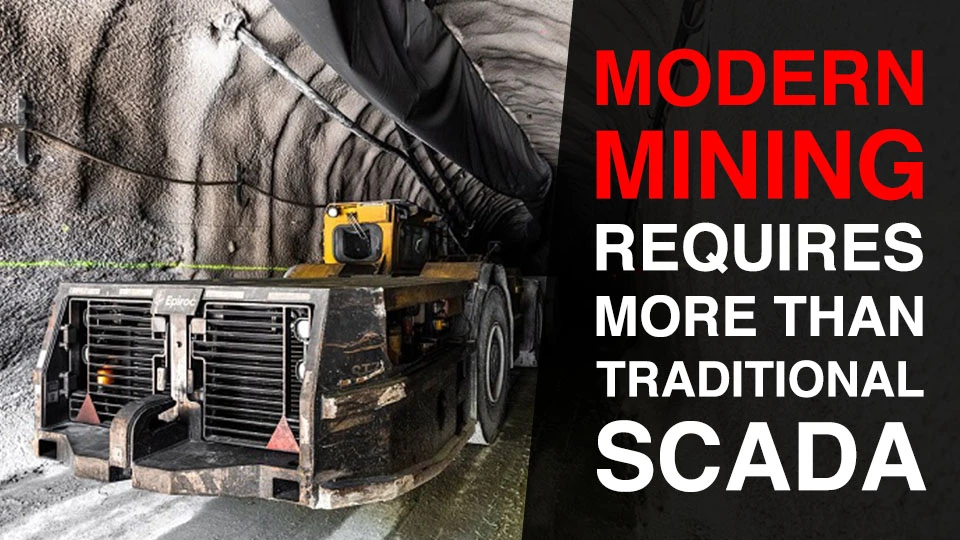
Modern Mining Requires More Than Traditional SCADA

Sasa mine opening with a mining vehicle in the foregrund

Traditional SCADA no longer provides the visibility modern mining operations require. Discover how intelligent SCADA connects operational technology, unifies real-time operational data, and creates a centralized operational environment that improves situational awareness, supports faster decision-making, and provides a scalable foundation for digital transformation.

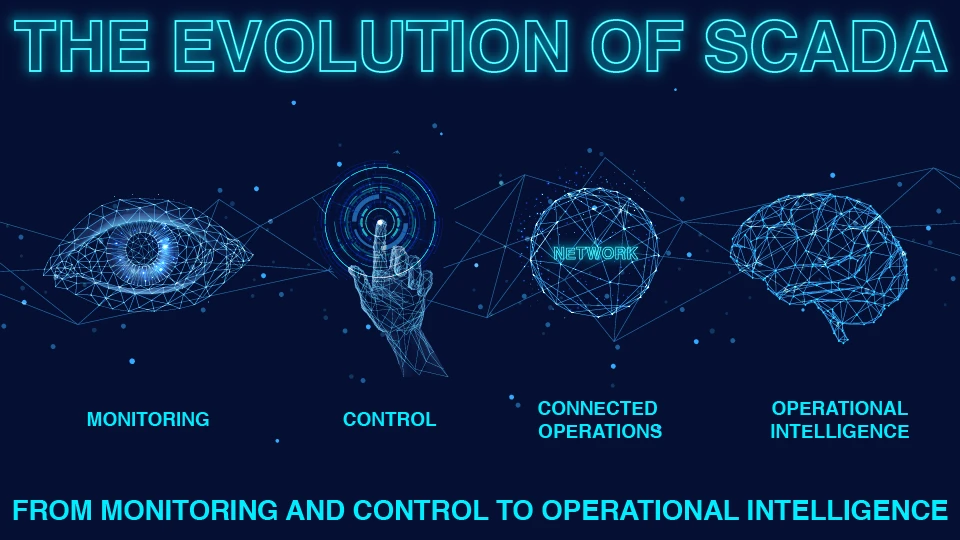
The Evolution of SCADA: From Monitoring Systems to Operational Intelligence

The Evolution of SCADA blog image of an eye for monitoring, a hand depicting control, a sphere depicting connected operations, and a wireframe of the human brain depicting operational intelligence

SCADA is evolving from traditional monitoring and control into a platform for connected operations and operational intelligence. Learn how modern organizations are using intelligent SCADA to connect OT, IT, and IIoT data, improve visibility, support analytics, and transform operational information into actionable operational and business insight.

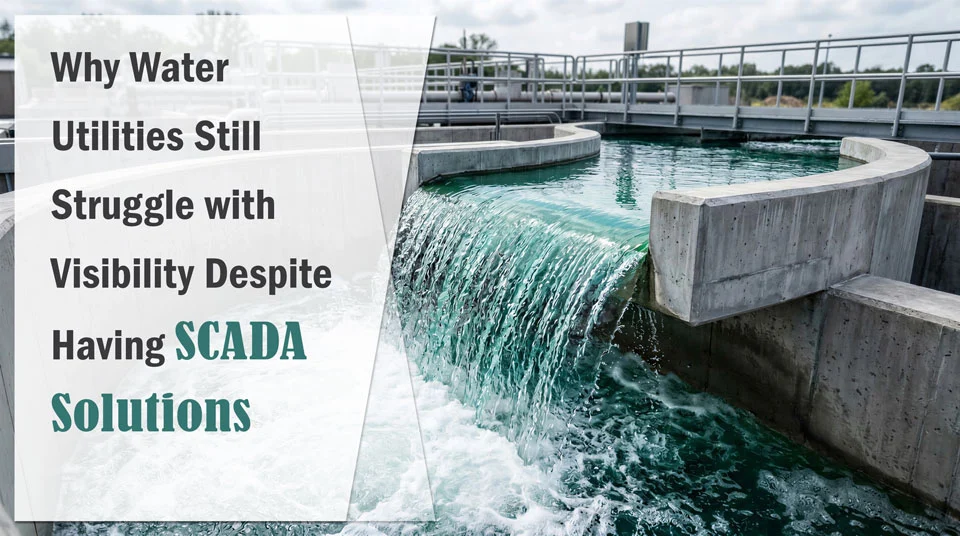
Why Water and Wastewater Utilities Still Struggle with Data Visibility

Why Water and Wastewater Utilities Still Struggle with Data Visibility blog image of light blue water cascading down through a cement channel in a water treatment facility

Most water and wastewater utilities already operate SCADA systems, yet fragmented data, alarm overload, and disconnected operational tools continue to limit visibility and decision-making. Learn how unified SCADA platforms help utilities connect operational data, improve situational awareness, reduce risk, and support digital transformation initiatives.

HMI vs. SCADA: Understanding Functions, Features, and Use Cases

Understanding the differences between HMI and SCADA is essential for designing scalable industrial systems. This blog explains the role of each technology, how HMI and SCADA work together, and how modern platforms such as GENESIS unify visualization, supervisory control, alarming, historian functionality, reporting, analytics, and connectivity.

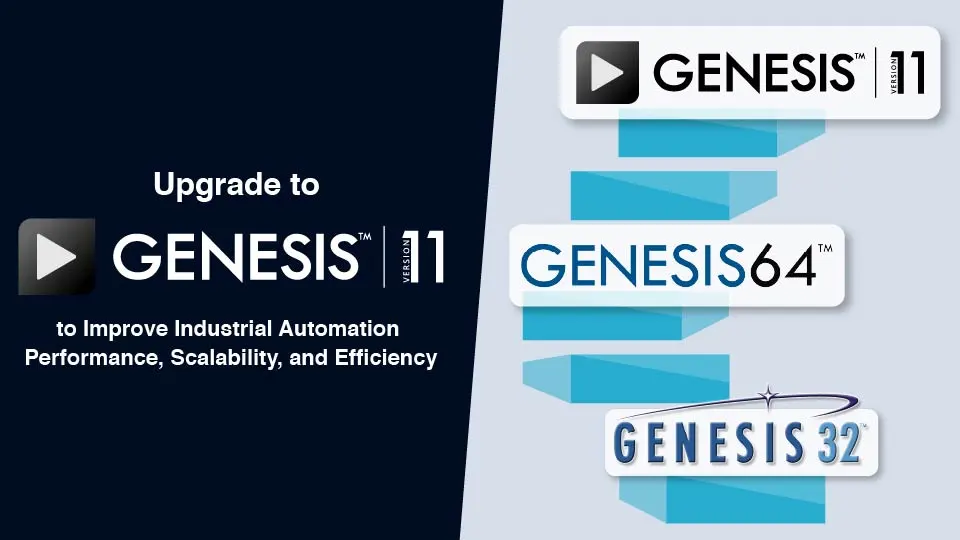
Upgrade to GENESIS version 11 to Improve Industrial Automation Performance, Scalability, and Efficiency

Upgrade to GENESIS version 11 blog image featuring the evolution of the GENESIS logo starting with GENESIS 32 up to GENESIS version 11

Learn how upgrading to GENESIS version 11 helps organizations improve industrial automation performance, scalability, visibility, and operational efficiency without disrupting existing systems. Explore how integrated analytics, workflows, historian capabilities, and unified architecture support continuous operational improvement.