English
 Czech
Czech
 German
 French
 Italian
 Japanese
 Polish
 Spanish
 6 min read
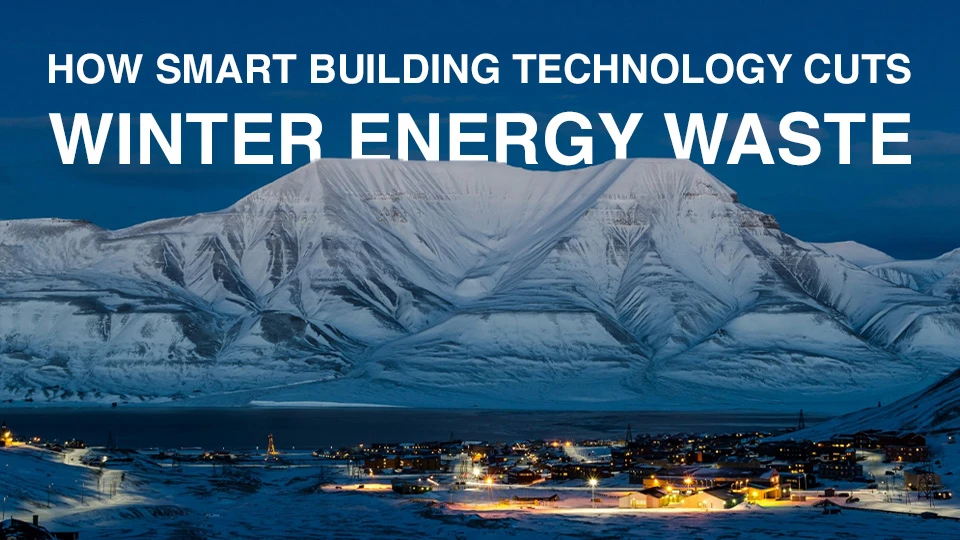
Remote Arctic Challenges, Harsh Realities
Nestled in a valley along the Adventfjord and surrounded by steep mountains and glaciers, Longyearbyen is the northernmost permanent settlement in the world—just 810 miles from the North Pole. This small Arctic town, located on the Svalbard archipelago in Norway, has a population of about 2,000 residents—and an even larger population of polar bears, roughly 3,000.
Despite the remote setting, the town is far from quiet. This thriving local community supports a hospital, library, church, cultural center, restaurants, and shops. Tourism has become a key pillar of the economy, drawing visitors from around the globe to experience the stark, beautiful Arctic environment. Research and education also flourish here, with students and scientists at the University Centre in Svalbard (UNIS) conducting cutting-edge Arctic research in biology, geology, and geophysics.
Of course, operating and maintaining buildings in such extreme conditions presents serious challenges. Winters bring months of darkness and subzero temperatures, placing constant strain on heating, lighting, and ventilation systems.
These systems were historically managed in silos and stretched across vast distances, leading to inconsistent indoor comfort, high energy costs, and frequent maintenance issues. Daily operations became reactive and resource intensive.
Rising energy demands and ambitious sustainability goals made a smarter, more connected approach to building operations essential—and the community rose to the occasion.
A Winter Community Steps into Smart Building Control
The shift began with a single recommendation—from a former Oslo resident familiar with the work of Norwegian system integrator KE Automasjon. He encouraged Longyearbyen’s municipal leaders to explore automation and digitalization technology to improve building performance and reduce energy waste.
Smart building technology combines automation, digitalization, and real-time data to create environments that are more efficient, comfortable, and sustainable. Integrating systems such as heating, ventilation, lighting, and energy metering into a single digital platform gives facility operators centralized visibility and control.
Additionally, operators can monitor temperatures, ventilation rates, and energy usage, adjust equipment settings remotely, and identify inefficiencies or faults before they escalate—reducing energy waste, maintaining stable indoor conditions, and ensuring building systems operate safely and reliably, even in extreme Arctic conditions.
KE Automasjon responded by first installing its Datavaktmesteren® solution, powered by GENESIS64 from Mitsubishi Electric Iconics Digital Solutions, in the community’s shopping center.
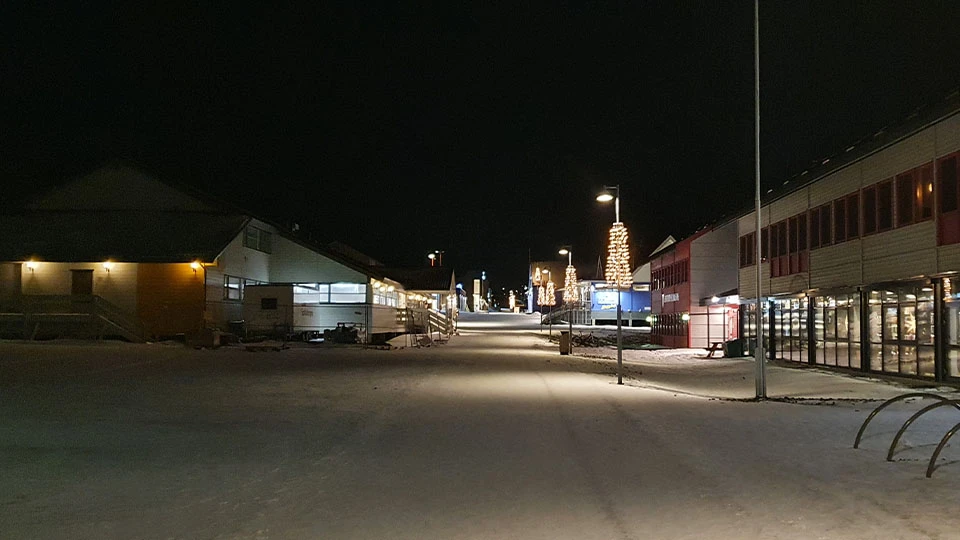
The integrated smart building system produced impressive and immediate results. Benefits included:
- Centralized control of heating, ventilation, and lighting
- Significant decrease in heating energy use (by 76%)
- Major drop in electricity consumption (by 50%)
- Consistently comfortable indoor temperatures and improved occupant experience
These outcomes demonstrate the system’s effectiveness in driving significant energy savings while enhancing occupant comfort.
Scaling Success Across an Arctic Community
Following the success of the pilot project, the municipality turned its attention to the kindergartens—where indoor temperatures were often too hot or too cold, and poor air quality posed risks to young children.
KE Automasjon and Mitsubishi Electric Iconics Digital Solutions addressed these issues with a new installation that brought consistency, comfort, and energy efficiency to the classrooms. Sensors were installed throughout the buildings to monitor conditions in real time, while the control system optimized heating, ventilation, and lighting based on actual needs.
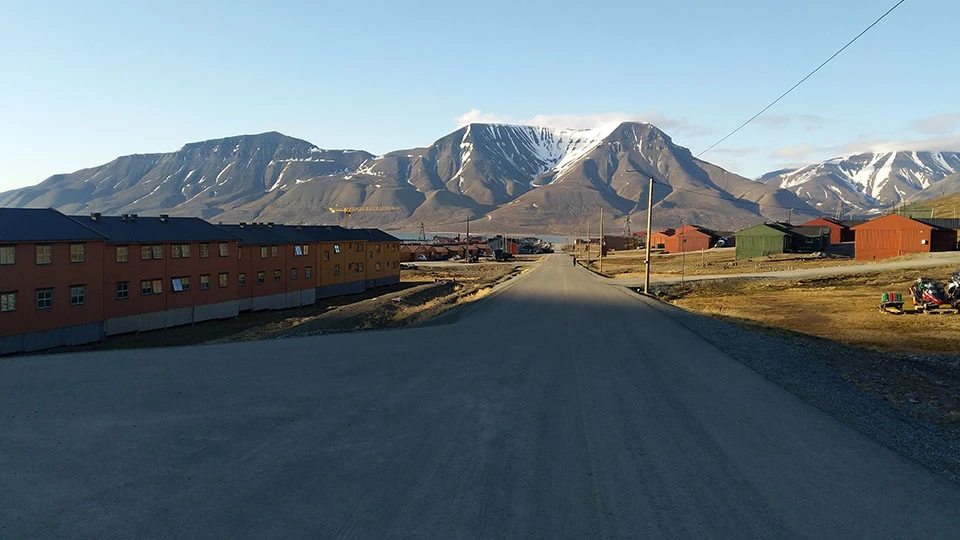
By combining sensor data with external information and historical performance trends, the community enabled predictive control of building operations to ensure energy was used only when necessary. Integrated building meters continuously monitored these savings.
Encouraged by the results, the community expanded the automation system across Longyearbyen’s other communal buildings, including schools, cultural institutions, and municipal facilities.
The most recent installations extended to critical infrastructure such as the water and wastewater treatment systems and the district heating network that distributes hot water from the local power plant.
Want to dive deeper into this transformation?
Read the full Longyearbyen success story to explore how the town scaled smart building automation across schools, shopping centers, municipal offices, and critical infrastructure.
Building a Mini Smart City Ecosystem
Today, the integrated Datavaktmesteren®/GENESIS64 platform controls and monitors 17 community buildings in Longyearbyen, including offices, schools, kindergartens, the fire station, and the waste plant, covering almost every municipal facility.
The system also manages the city’s water and wastewater systems, heat distribution network, and permafrost control systems that prevent building instability during summer thaw. Beyond the community, the system monitors additional facilities in the region, such as Svalsat and Isfjord Radio.
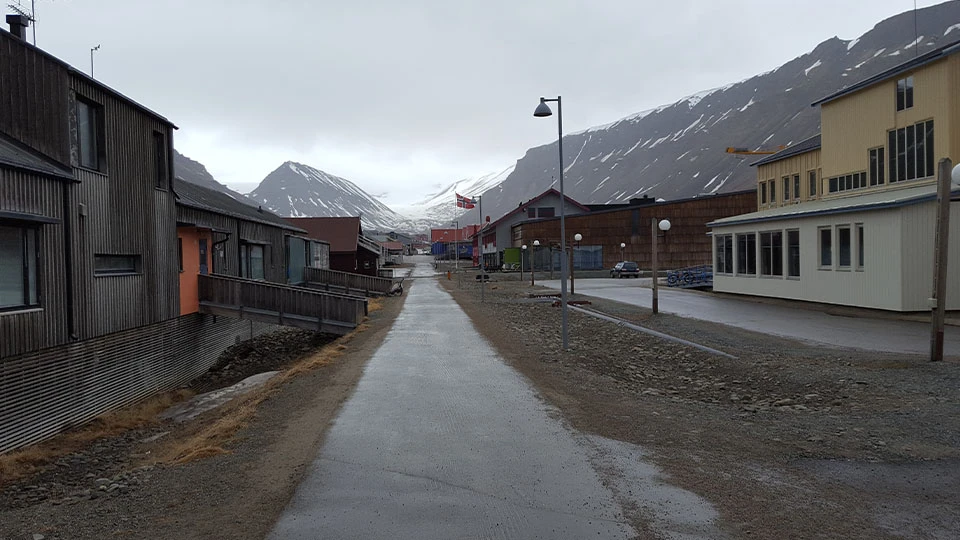
By linking these diverse systems into one integrated digital platform, Longyearbyen effectively created a mini smart city ecosystem—connecting energy-smart buildings, utilities, and communal services.
Operators gained centralized visibility and control across all connected facilities, enabling:
- Remote environmental control – Adjust heating, ventilation, and lighting without needing to visit each site
- Energy optimization – Eliminate waste and reduce consumption across facilities
- Faster issue response – Catch problems early and take action before they escalate
- Smarter maintenance planning – Use real-time data to schedule proactive service
- Better resource allocation – Deploy staff where they’re needed most
- Progress tracking – Monitor environmental performance and sustainability goals
Together, these capabilities empowered Longyearbyen to operate more efficiently, sustainably, and confidently—despite the region’s extreme climate and logistical challenges.
Results That Reach Beyond Energy Savings
While energy efficiency was a primary goal, Longyearbyen realized additional value from its smart building platform:
- Reduced heating energy at the shopping center by 76%, and electricity use by 50%
- Decreased heating energy across other community buildings by 46%, and electricity use by 32%
- Improved indoor environments across all buildings, including more stable temperatures and better air quality
- Streamlined operational workflows through remote monitoring and control from a single dashboard
- Enhanced system reliability thanks to early alerts for low temperatures, reducing frozen pipe incidents
What was once a fragmented set of systems has become a centralized, data-driven operation—helping the community cut waste, improve comfort, and ensure safety across all seasons.
This transformation was made possible by the integrated Datavaktmesteren® system built on GENESIS64, which proved to be the right fit to unify Longyearbyen’s diverse buildings and infrastructure into one cohesive platform.
Why GENESIS64 Was the Right Fit for Longyearbyen
Longyearbyen didn’t just need automation—it required an intelligent, resilient platform capable of unifying diverse buildings and infrastructure under extreme Arctic conditions. GENESIS64 delivered exactly that by providing:
- Unified control and visualization across the entire portfolio, enabling operators to manage schools, municipal offices, kindergartens, and critical infrastructure from a single platform
- Mobile access for remote monitoring and control, essential in harsh weather when site visits are dangerous or impractical
- Flexible scalability to support the town’s evolving needs as new buildings and systems are integrated over time
- Real-time insights and predictive alerts, allowing proactive maintenance and rapid response to potential issues such as freezing pipes or HVAC failures
Additionally, the platform’s openness and interoperability allowed KE Automasjon to customize dashboards, integrate heating and metering data, and tailor automation logic to each building’s unique requirements—ensuring optimal performance, safety, and energy efficiency throughout the community.
Longyearbyen’s Journey to a Smarter, Resilient Future
Longyearbyen’s transformation demonstrates the power of combining smart building technology with strong local commitment. A project that began with a single building has evolved into a fully integrated platform supporting the town’s most critical services—from schools and municipal offices to infrastructure and utilities.
For any community seeking to reduce emissions, improve building performance, and strengthen resilience against climate risk, Longyearbyen proves that smart building systems are not just for skyscrapers and city centers—these are a lifeline for remote and rugged environments.
Struggling with similar building challenges?
Discover how others are overcoming these hurdles with smart technology: Explore more success stories and see what GENESIS can do for you.

Written By:
Recent Posts
What Is a Data Historian in OT? Definition, Architecture, and Applications

What Is a Digital Workplace? Definition, Components, and Benefits
The High-Performance Office: Turning Data, AI and Smart Tech into Measurable Asset Value
Why Master Systems Integrators and Digital Enablement Decide Whether a “Smart” Building Is Actually Smart